
Use our free BMI calculator with age and gender to instantly check your body mass index and understand your health status. This tool requires no registration and gives accurate results based on standard WHO formulas.
Whether you’re tracking fitness, planning weight loss, or simply checking your health, this calculator provides a quick and reliable assessment.
What is BMI (Body Mass Index)?
Body Mass Index (BMI) is a simple measurement that uses your height and weight to estimate whether your body weight is healthy.
It is widely used by healthcare professionals as a screening tool to identify possible health risks such as:
- Underweight
- Overweight
- Obesity
Although BMI does not directly measure body fat, it is a fast and useful indicator for most adults.
Source: World Health Organization (WHO) – Obesity and Overweight
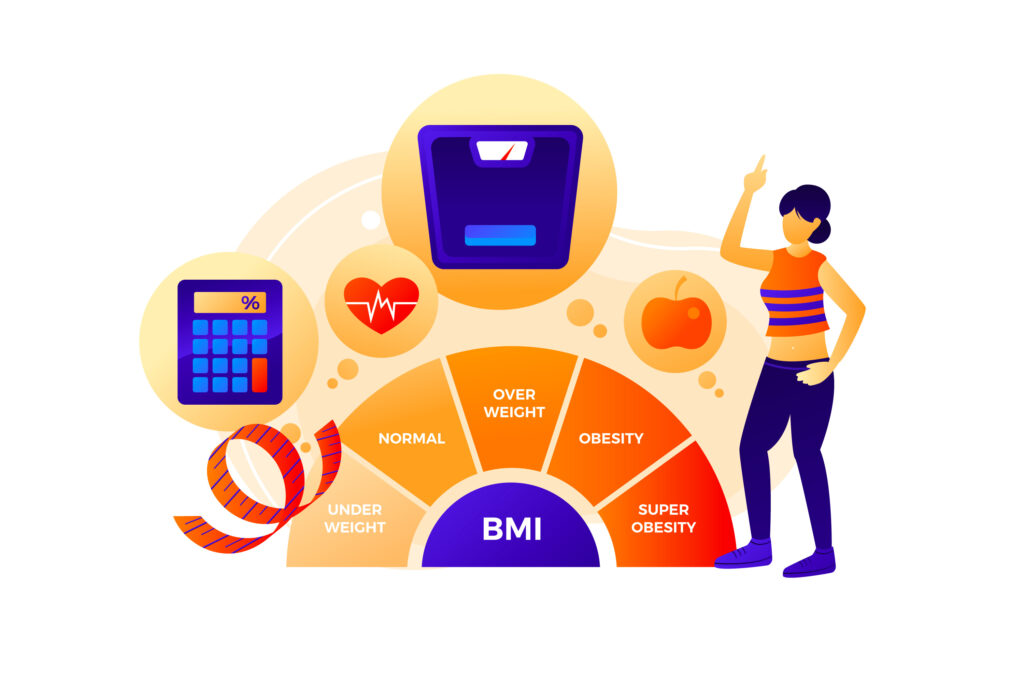
BMI Calculator with Age and Gender
Age and gender play an important role in how BMI should be interpreted.
Our calculator includes optional inputs for these factors to give you more meaningful results.
Age Considerations:
- Ages 18–24: Standard BMI ranges apply
- Ages 25–34: Slight variation in healthy range
- Ages 35–54: Body composition gradually changes
- Ages 55+: Higher BMI may be acceptable
Gender Differences:
- Women: Naturally higher body fat percentage
- Men: Higher muscle mass affects BMI results
Enter your age and gender in the calculator above for better insights.
BMI Formula
The standard formula used to calculate this value is:
BMI = Weight (kg) ÷ Height² (m²)
For example, if a person weighs 70 kg and is 1.75 meters tall, the calculation would be: 70 ÷ (1.75 × 1.75) = 22.86. This result typically falls within the normal weight category. To see where your numbers land, you can refer to a BMI chart or a BMI chart women guide to understand the full range of categories.
How to Use the BMI Calculator
Our tool is designed to be simple and fast for everyone. You can enter your weight using the metric system or utilize the BMI calculator kg and feet option if you prefer imperial measurements for height. We also offer variations for different demographics, including specific versions like a BMI calculator female and a BMI calculator male to ensure accuracy for different body types.
Using our tool is simple:
- Enter your weight
- Enter your height
- (Optional) Select age and gender
- Click calculate
You’ll instantly get:
- Your BMI score
- Your weight category
- Health insights
After entering your details, the tool instantly generates your result along with your weight category. You can also explore other health resources like a Calorie Calculator or Body Fat Calculator for a complete health assessment.
Why Use a BMI Calculator with Age?
Understanding your BMI is important, but age plays a crucial role in interpreting the results accurately. As we grow older, our bodies go through natural changes that can affect weight, muscle mass, and overall health. Using a BMI calculator that accounts for age provides a more personalized and meaningful assessment.
Here’s why age matters:
- Metabolism Changes: Metabolic rate naturally slows down with age, which can impact how your body stores fat. BMI results without age considerations may underestimate health risks for older adults.
- Muscle Mass Variation: Younger adults tend to have higher muscle mass, while older adults may lose muscle over time. Muscle loss can make BMI less reflective of true body composition unless age is factored in.
- Accurate Health Interpretation: Standard BMI ranges are generalized for adults. By including age, you get context-specific results that better reflect your risk for weight-related health conditions like heart disease, diabetes, and obesity.
Our BMI calculator with age input adjusts the results to reflect these differences, helping you make informed decisions about diet, exercise, and overall wellness.
Understanding Your BMI Results
Once you have your number, you can compare it against standard classifications. The following BMI table outlines the general categories recognized by health organizations:
| BMI Range | Category |
|---|---|
| Less than 18.5 | Underweight |
| 18.5 – 24.9 | Normal weight |
| 25 – 29.9 | Overweight |
| 30 or more | Obese |
Examples:
- BMI 18.5 (Underweight): May indicate nutritional deficiency
- BMI 22 (Normal): Ideal healthy range
- BMI 27 (Overweight): Increased health risk
- BMI 32 (Obese): High risk – lifestyle changes needed
Special Considerations for Different Groups
While this measurement is a great starting point, context matters.
- For seniors: Using a BMI calculator women age or a version designed for older adults can be helpful, as body composition changes over time.
- For children: A BMI calculator for kids uses percentiles rather than fixed numbers to account for growth.
- During pregnancy: Standard ranges do not apply. If you are expecting, look for a specialized BMI calculator pregnancy resource and consult your doctor for personalized guidance.
Why This Number Matters
Tracking this metric is important because it provides a quick overview of weight status and associated health risks. Individuals with higher readings may face increased risks of heart disease, type 2 diabetes, and high blood pressure. Conversely, being underweight can sometimes indicate nutritional deficiencies.
Regularly monitoring this data with a reliable tool can help you make informed decisions about diet, exercise, and lifestyle habits.
A Balanced Perspective
While this index is a useful screening tool, it doesn’t distinguish between muscle and fat. Athletes or highly muscular individuals may have a high score but low body fat. It should be viewed as one piece of the puzzle rather than a definitive diagnosis. For a more detailed analysis, you might consider using our Ideal Weight Calculator to see a different range. Always consult a healthcare professional for a comprehensive health assessment.
Tips for Maintaining Healthy Numbers
Maintaining a healthy reading involves adopting sustainable lifestyle habits:
- Eat a balanced diet rich in vegetables, fruits, whole grains, lean proteins, and healthy fats.
- Combine this with regular physical activity, including cardio and strength training.
- Avoid extreme dieting or rapid weight-loss methods.
- Gradual improvements and consistent healthy routines will support long-term wellness.
BMI Calculator FAQs
Is this BMI calculator accurate?
Yes, it uses the WHO standard formula. However, it is a general guideline.
Why include age and gender?
These factors affect body composition and improve result interpretation.
What is a healthy BMI?
For most adults, 18.5 to 24.9 is considered healthy.
Is BMI accurate for athletes?
Not always. Muscular individuals may have higher BMI but low body fat.
Final Thoughts
This free BMI calculator helps you quickly understand your weight category and overall health status.
While BMI is a useful starting point, it should be combined with other health indicators for a complete picture.
Explore our other tools like the Calorie Calculator and Ideal Weight Calculator to take better control of your health.